Table of Contents
- Expert interview: Is Ebola a risk to the UK? – UK Health Security Agency
- Ebola: Disease forecast model gave accurate numbers of infections ...
- U.Va. Team Identifies, Maps Unique Structure Within Deadly Ebola Virus ...
- What Next For The Ebola Outbreak? Here's What The Math Says | HuffPost
- Ebola Symptoms Bleeding
- New Developments in Treatments for Ebola - BORGEN
- American ERs prepare as Ebola and Ebola fear spreads - CNN
- Ebolavirus - Wikipedia, la enciclopedia libre
- Earlier Ebola Outbreaks, and How the World Overcame Them - The New York ...
- Ebola: Climate crisis will cause virus to spread farther, faster - CNN

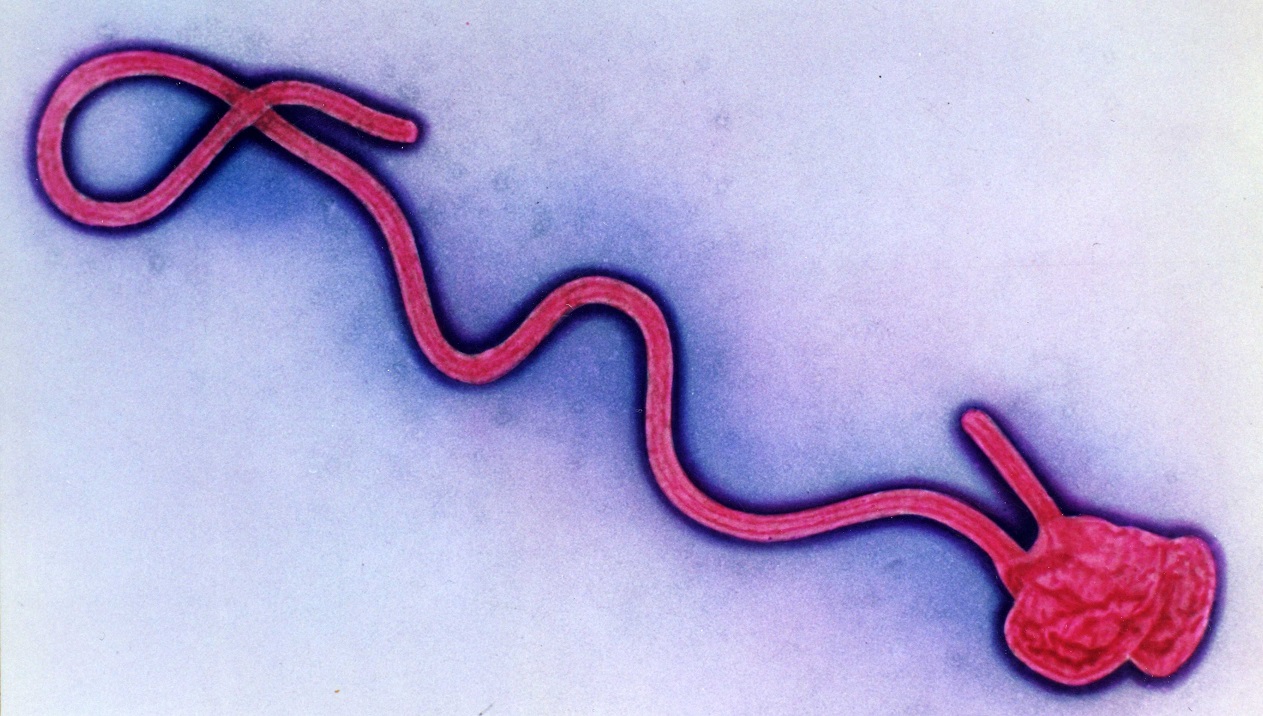
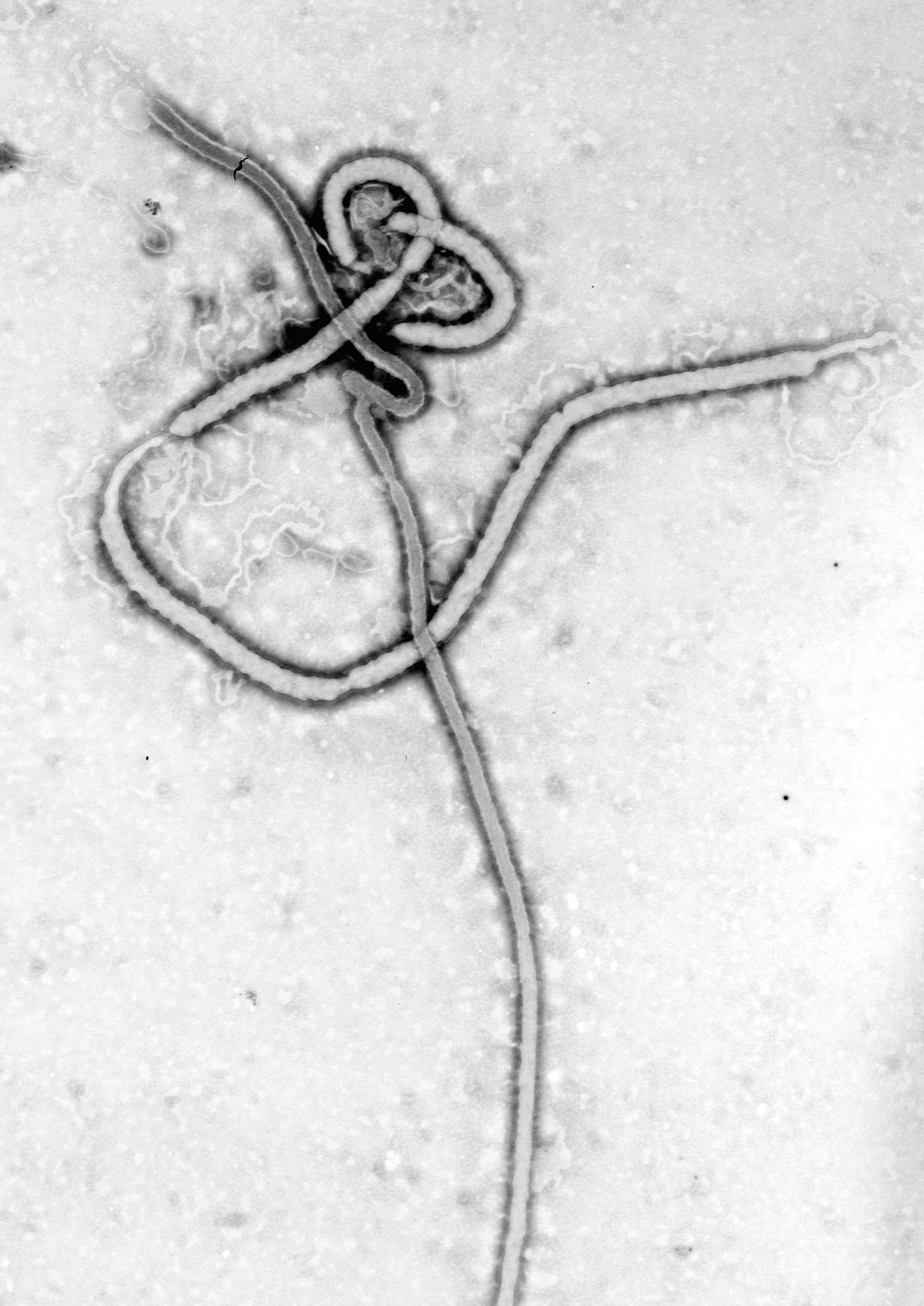
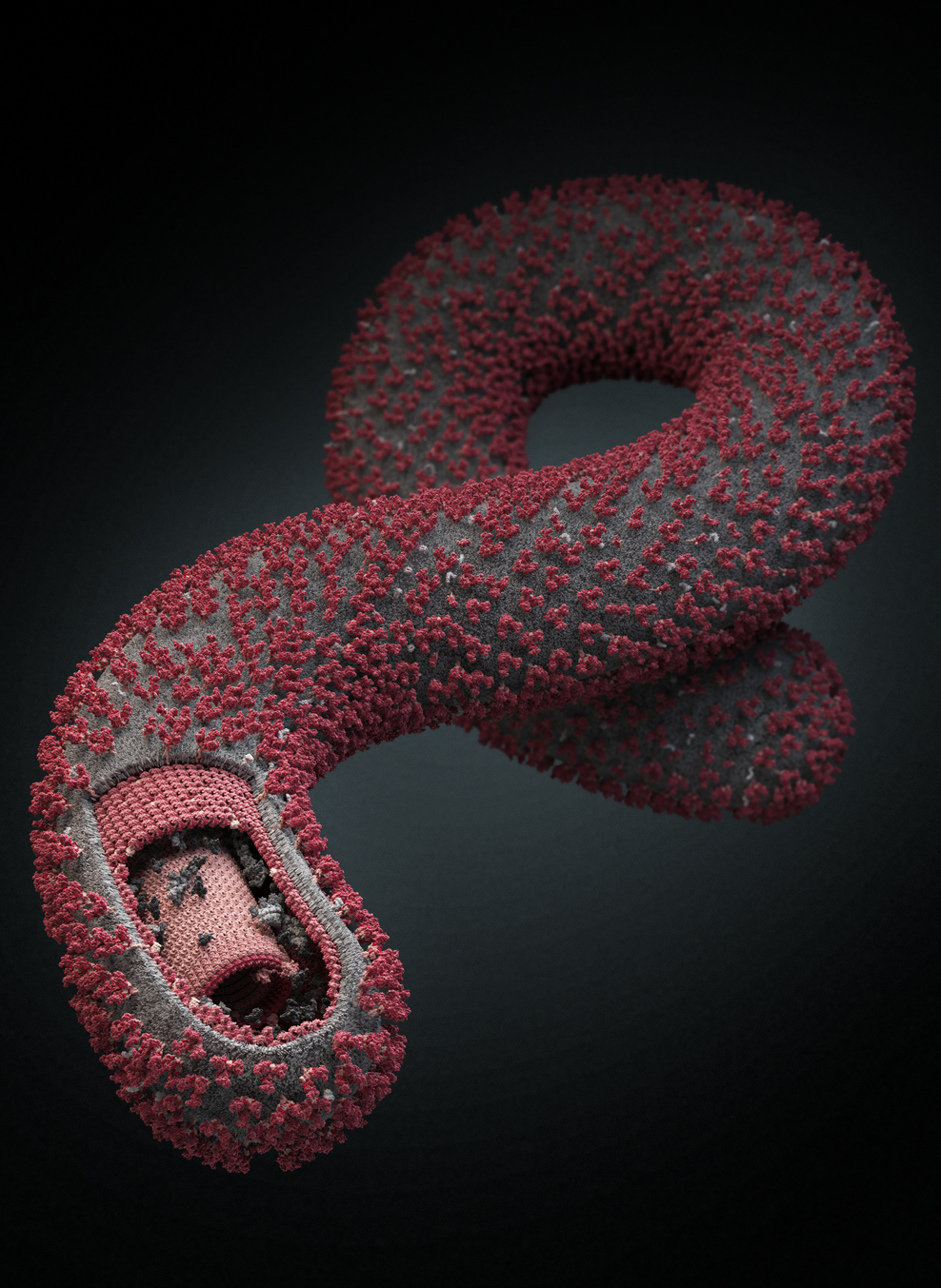
What is Ebola?

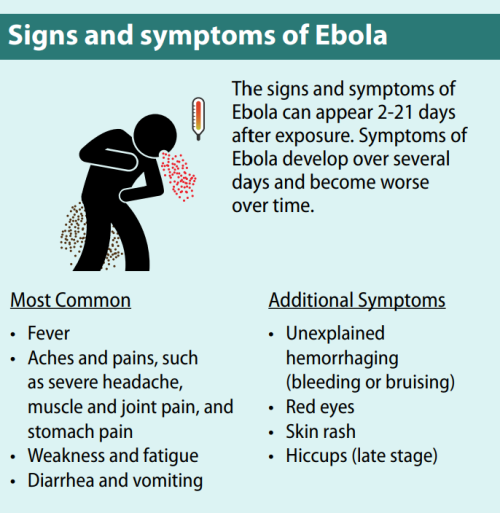
Signs and Symptoms of Ebola

Recognizing the Stages of Ebola
Ebola progresses through several stages, including: 1. Incubation Period: The time between exposure to the virus and the onset of symptoms, which can range from 2-21 days. 2. Early Stage: The initial stage of the disease, characterized by fever, vomiting, and diarrhea. 3. Advanced Stage: The later stage of the disease, marked by severe bleeding, organ failure, and shock.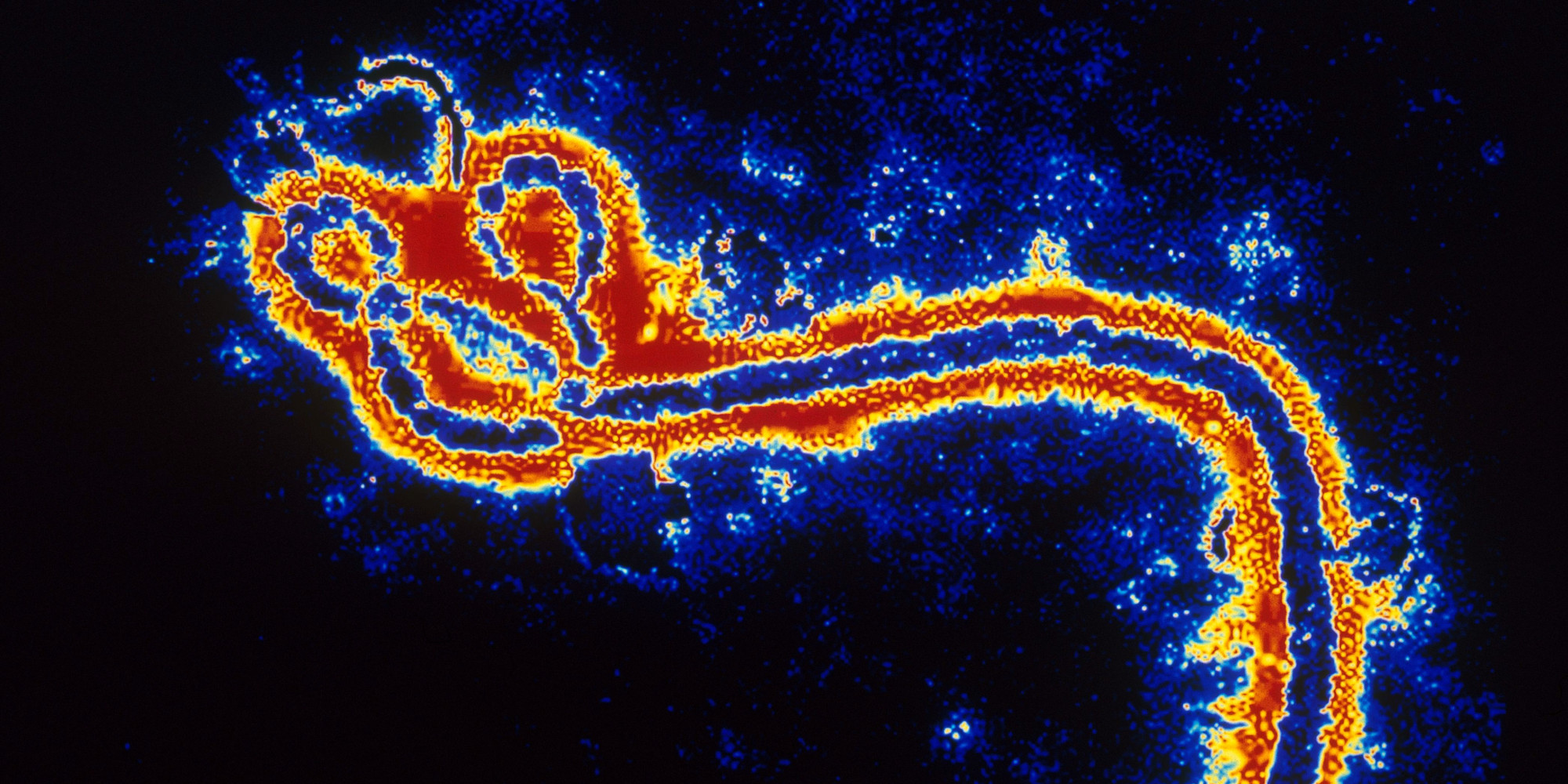
Prevention and Treatment
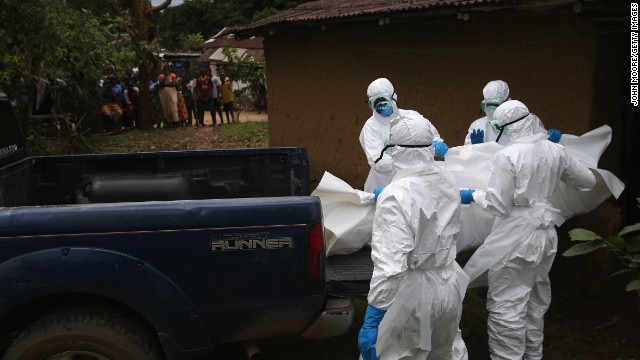
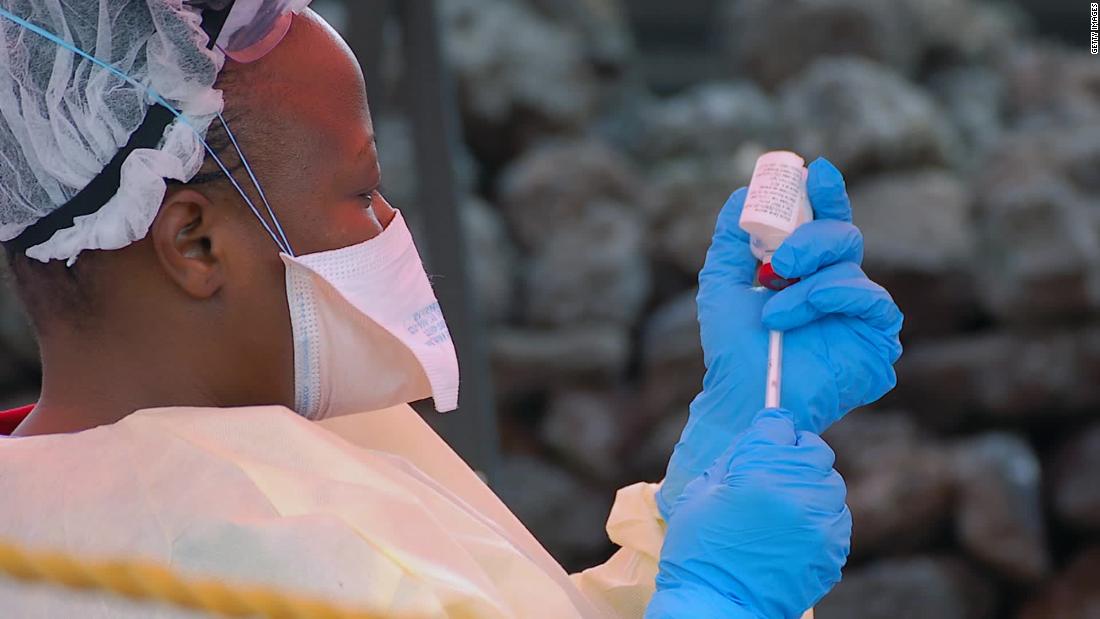
Preventing Ebola requires avoiding direct contact with infected bodily fluids and following proper infection control protocols. Treatment for Ebola typically involves supportive care, such as fluid replacement, oxygen therapy, and management of bleeding and other complications. Experimental treatments, including vaccines and medications, are also being developed and tested. Ebola is a serious and potentially deadly disease that requires prompt recognition and medical attention. By understanding the signs and symptoms of Ebola, individuals can take steps to protect themselves and their loved ones from the disease. The CDC and other global health organizations continue to work tirelessly to combat Ebola, and it is essential that we remain informed and vigilant in the face of this public health threat. If you suspect that you or someone you know may have been exposed to Ebola, seek medical attention immediately.For more information on Ebola, visit the CDC website. Stay informed, stay safe.